 Marytale
Moral stories
Moral stories with the lesson written out: Aesop, the Panchatantra, the Jataka tales and Akbar and Birbal — 26 stories, each with its moral above the text.
26 stories
A moral story is not a story with a lesson bolted on at the end. In a good one the lesson is the shape of the plot: the fox cannot reach the grapes, and the last line only names what the reader already understood. That is why these stories survived two and a half thousand years of retelling — the shape holds even when the words change.
Every story here has its moral printed above the text, not hidden at the bottom. Read the moral first with an older child and ask what kind of story would have to follow it; read it last with a younger one. Both work, and they teach different things.
Four traditions are gathered here and they do not agree with one another. Aesop is blunt about consequences. The Panchatantra is about surviving among people cleverer than you. The Jataka tales measure a choice by what it costs the one who makes it. Akbar and Birbal are about answering an impossible question without lying.
 Birbal's Khichdi4-6 min read · 13 pagesBirbal's khichdi, an Akbar and Birbal story to read aloud. A poor man earns a reward, and the court finds a reason not to pay it.
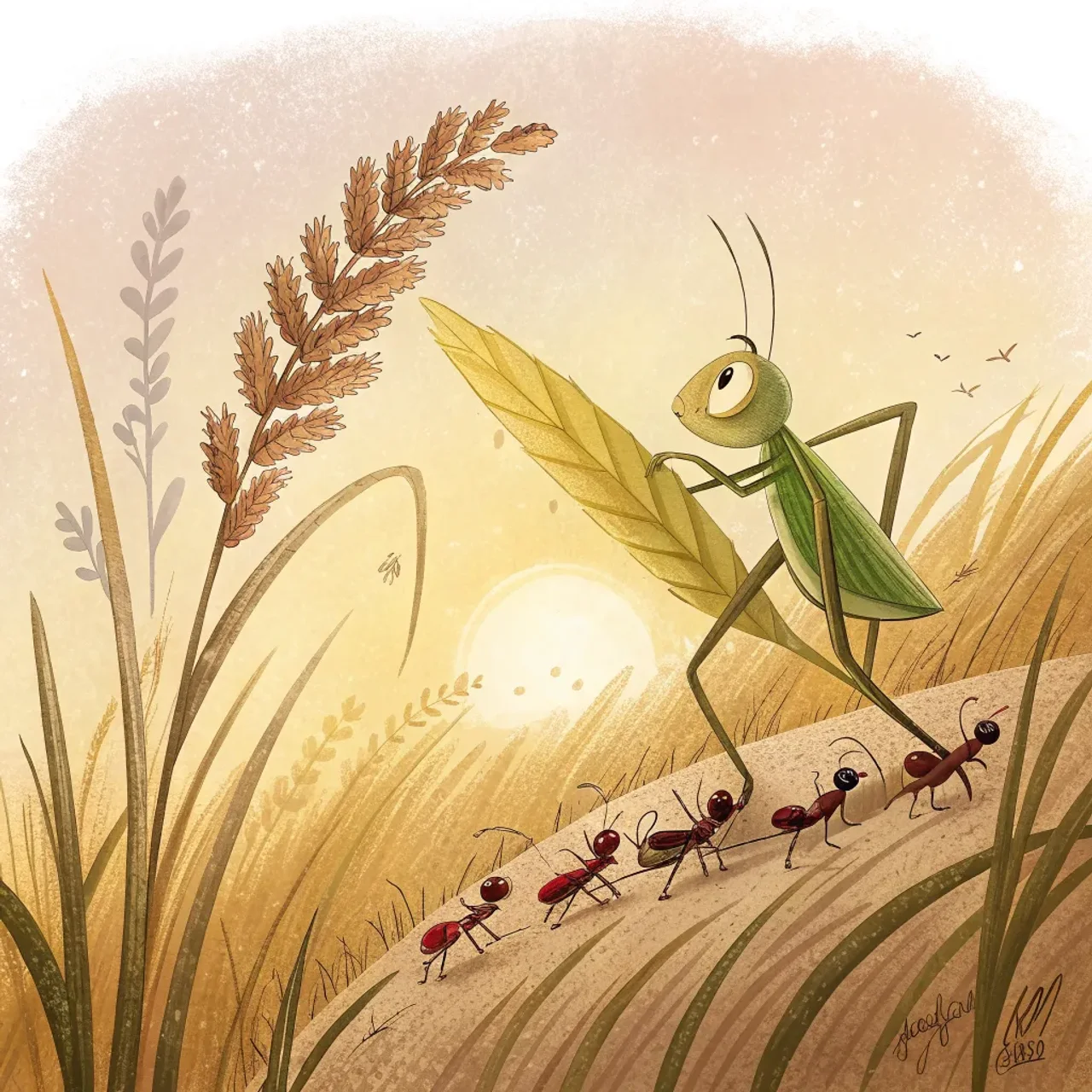 The Ant and the Grasshopper2-3 min read · 7 pagesThe ant and the grasshopper, Aesop's fable to read aloud. All summer he plays and she carries — and then the first cold morning comes.
 The Banyan Deer4-6 min read · 13 pagesThe banyan deer, a Jataka tale to read aloud. The king hunts one deer a day, and one morning a mother is chosen who cannot go.
 The Blue Jackal4-6 min read · 12 pagesThe blue jackal, a Panchatantra tale to read aloud. He falls into a vat of dye and everyone in the forest decides he must be a king.
 The Boy Who Cried Wolf5-7 min read · 13 pagesThe boy who cried wolf, Aesop's fable to read aloud. Twice he shouts for fun and the village comes running. The third time is not for fun.
 The Brahmin and the Mongoose4-6 min read · 12 pagesThe brahmin and the mongoose, a Panchatantra tale to read aloud. He comes home, sees blood on its mouth, and does not stop to look in the cradle.
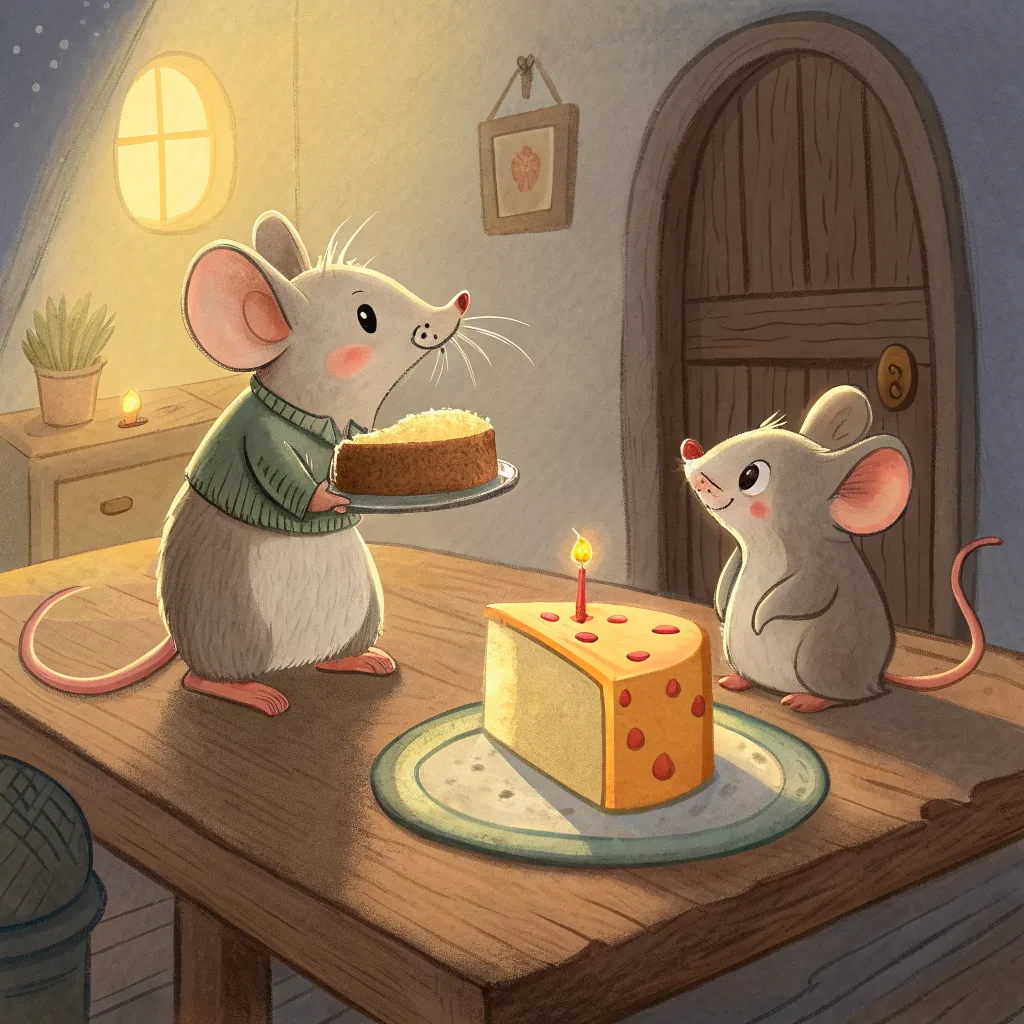 The City Mouse and the Country Mouse5-7 min read · 13 pagesThe city mouse and the country mouse, Aesop's fable to read aloud. One has plain food and quiet; the other has cake and footsteps in the dark.
 The Crow Count2-3 min read · 13 pagesThe crow count, an Akbar and Birbal story to read aloud. How many crows are there in the city? Birbal gives an exact number.
 The Four Friends6-8 min read · 16 pagesThe four friends, a Panchatantra tale to read aloud. A crow, a mouse, a tortoise and a deer, and the net that none of them could open alone.
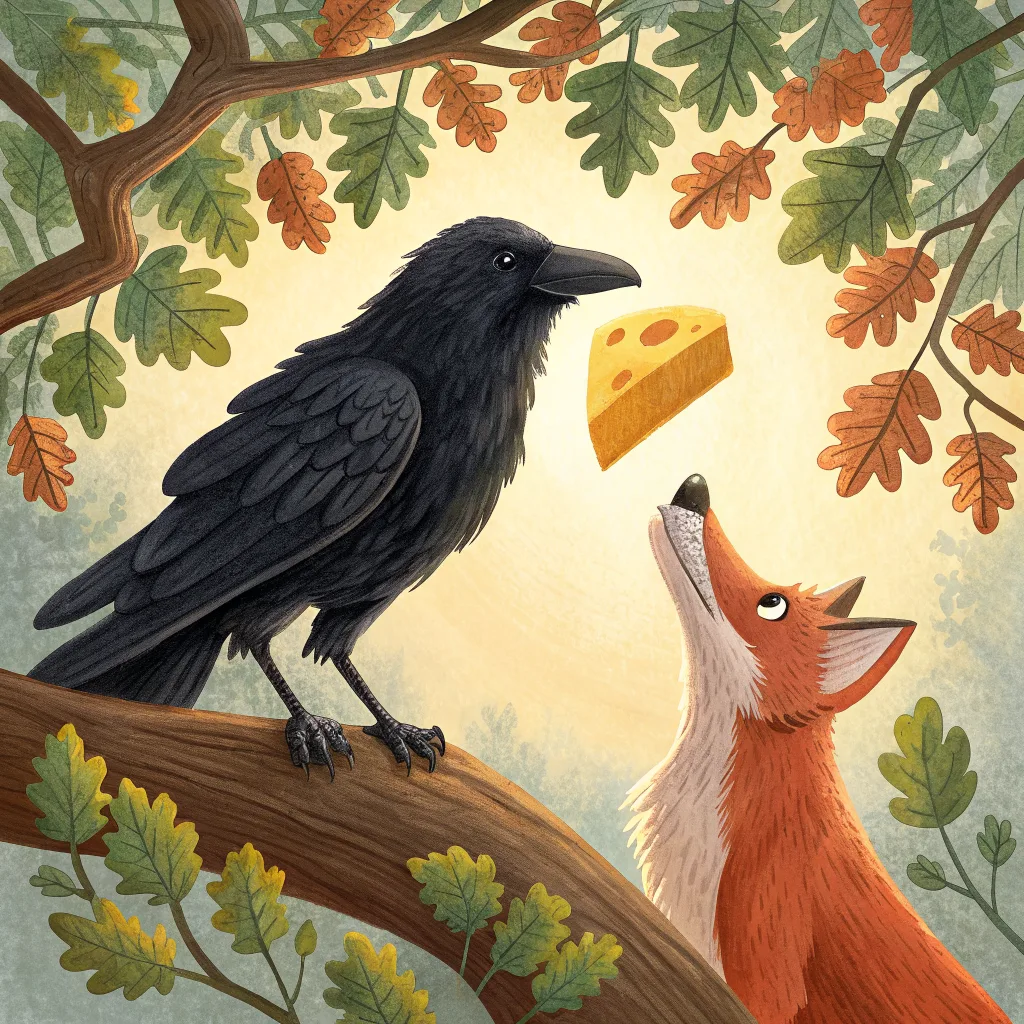 The Fox and the Crow4-6 min read · 13 pagesThe fox and the crow, Aesop's fable to read aloud. She has the cheese and he has nothing — so he starts telling her how well she sings.
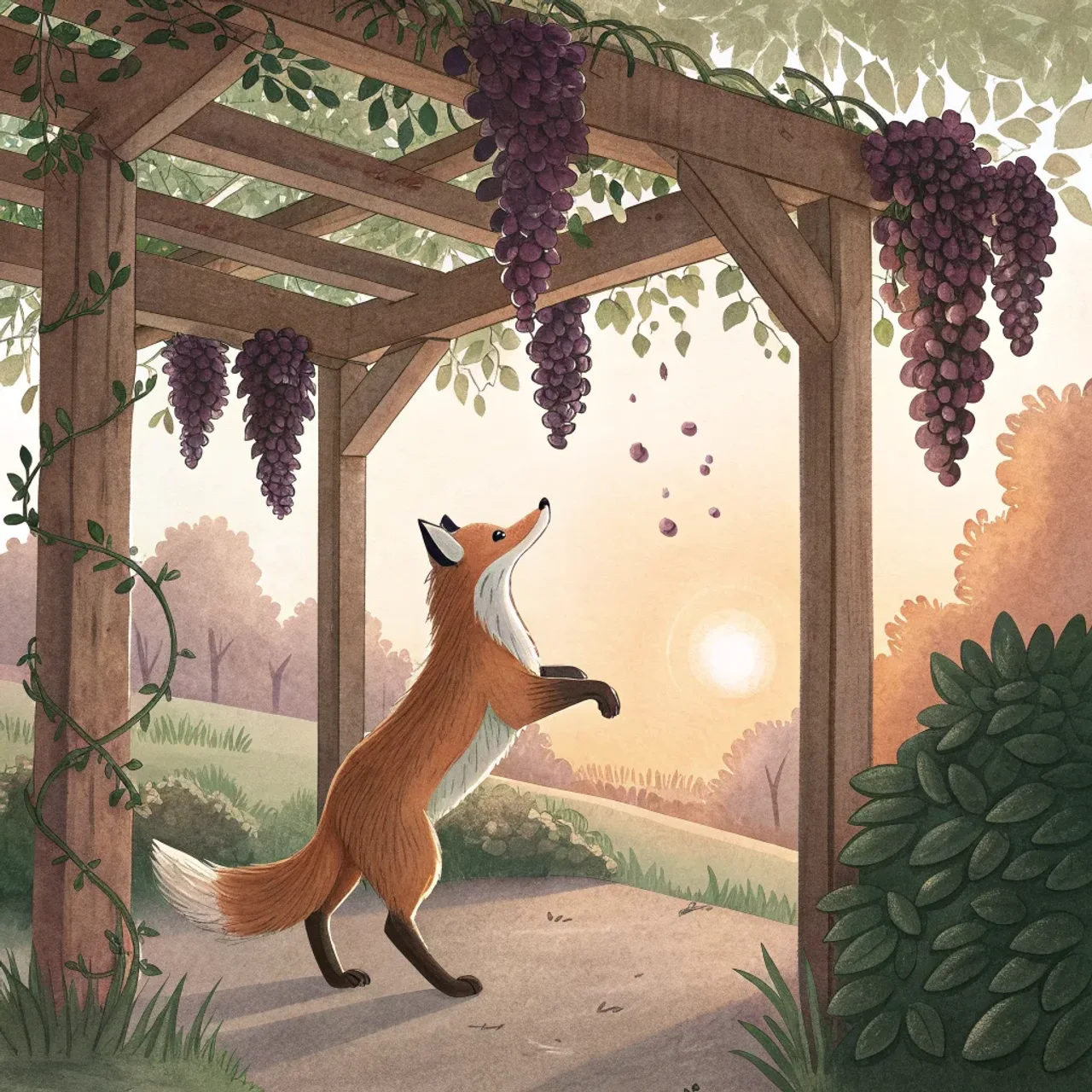 The Fox and the Grapes2-3 min read · 8 pagesThe fox and the grapes, Aesop's fable to read aloud. He jumps until he cannot jump any more, and then decides he never wanted them at all.
 The Goose That Laid the Golden Eggs2-3 min read · 9 pagesThe goose that laid the golden eggs, Aesop's fable to read aloud. One gold egg a day is not fast enough for the man who owns her.
 The Goose with the Golden Feathers4-6 min read · 12 pagesThe goose with the golden feathers, a Jataka tale to read aloud. One feather at a time is enough to live on, until somebody decides it is not.
 The Hare and the Tortoise4-6 min read · 13 pagesThe hare and the tortoise, Aesop's fable to read aloud. He is faster and he knows it — and that turns out to be the whole problem.
 The Hare Who Heard a Sound4-6 min read · 13 pagesThe hare who heard a sound, a Jataka tale to read aloud. A mango falls behind him, and within an hour the whole forest is running.
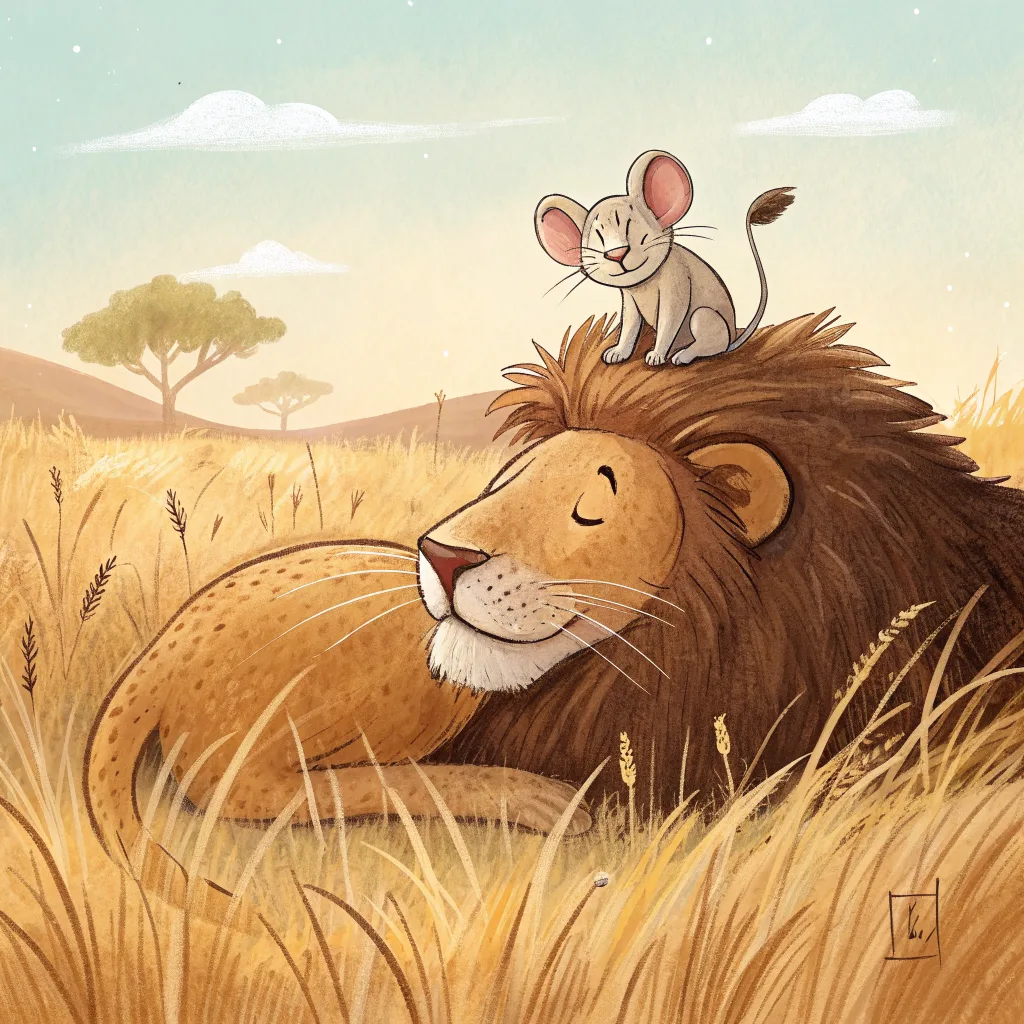 The Lion and the Mouse5-7 min read · 13 pagesThe lion and the mouse, Aesop's fable to read aloud. He lets her go because she is too small to bother with — and then the ropes come.
 The Lion and the Rabbit5-7 min read · 14 pagesThe lion and the rabbit, a Panchatantra tale to read aloud. One animal a day is the deal, and the smallest of them arrives late on purpose.
 The Longest Line2-3 min read · 12 pagesThe longest line, an Akbar and Birbal story to read aloud. Make this line shorter without touching it, says the emperor.
 The Monkey and the Crocodile5-7 min read · 14 pagesThe monkey and the crocodile, a Panchatantra tale to read aloud. They become friends over figs, and then the crocodile's wife wants something.
 The Monkey King and the Bridge4-6 min read · 13 pagesThe monkey king and the bridge, a Jataka tale to read aloud. Eighty thousand monkeys, one river, and a gap that has to be crossed somehow.
 The North Wind and the Sun4-6 min read · 13 pagesThe north wind and the sun, Aesop's fable to read aloud. They argue about who is stronger, and a man in a coat has to settle it.
 The Ox Who Won the Forfeit3-4 min read · 13 pagesThe ox who won the forfeit, a Jataka tale to read aloud. He can pull a hundred carts, and the only thing that stops him is how he is asked.
 The Stick That Grew3-4 min read · 10 pagesThe stick that grew, an Akbar and Birbal story to read aloud. A necklace is stolen, and Birbal gives every servant a stick of the same length.
 The Talkative Tortoise4-6 min read · 12 pagesThe talkative tortoise, a Panchatantra tale to read aloud. Two geese carry him through the air on a stick, and he must not open his mouth.
 The Wisest Answer3-4 min read · 10 pagesThe wisest answer, an Akbar and Birbal story to read aloud. The emperor asks four impossible questions and gets four short replies.
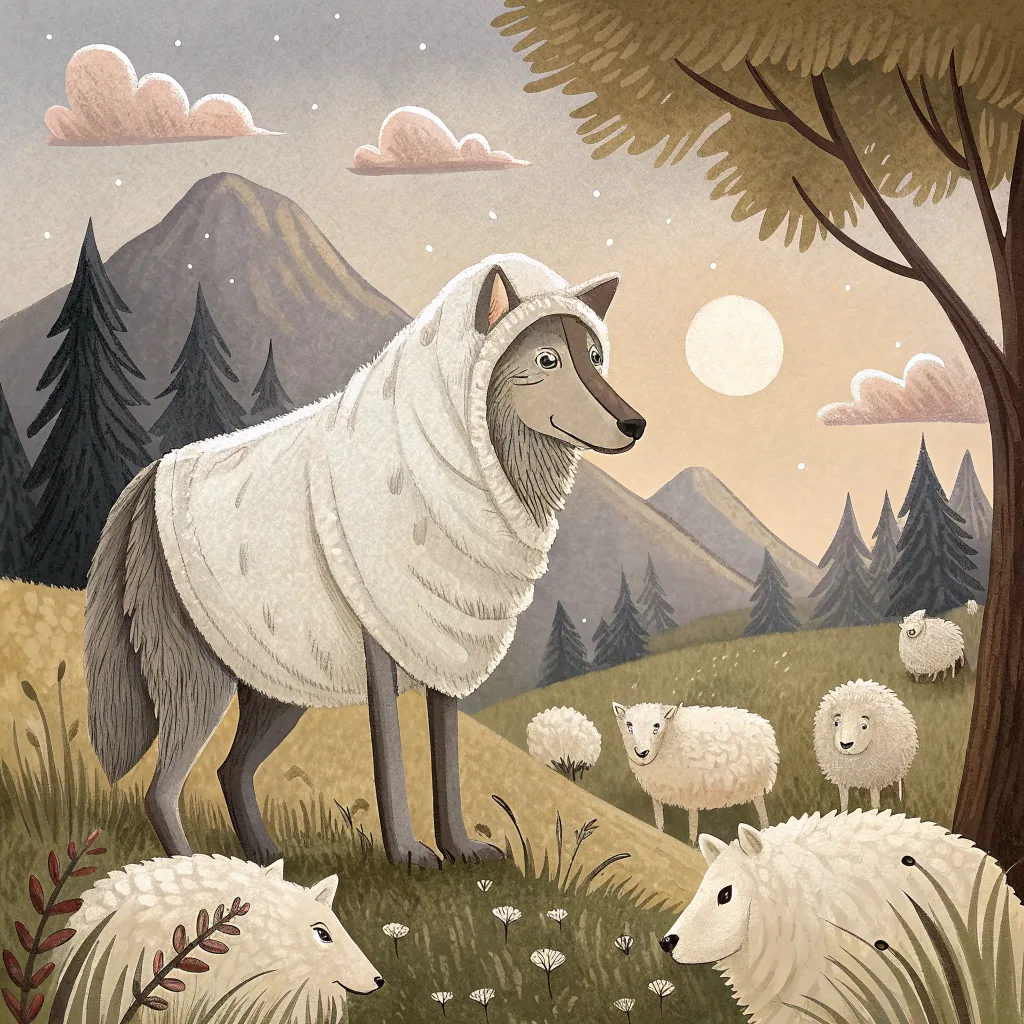 The Wolf in Sheep's Clothing6-8 min read · 13 pagesThe wolf in sheep's clothing, Aesop's fable to read aloud. The fleece changes what the shepherd sees, and nothing else about him at all.
Frequently asked
- What is a moral in a story?
- The sentence that names what the story showed. It is not advice and not a rule — it is a summary. In the oldest collections the moral came first, as a heading, and the story was the proof.
- What age are moral stories for?
- From about four for the short ones — the fox and the grapes is four sentences of plot. The Panchatantra and Akbar and Birbal ask more, and they land better from six, when a child can enjoy a clever answer as an answer.
- Are these translations?
- No. All four collections are public domain and exist in dozens of versions; these are written for Marytale in our own words, keeping the plots and the morals as they have come down.
Want to know where these stories come from? The articles are here
By topic
- Bedtime stories about animals
- Short bedtime stories
- Long bedtime stories
- Classic fairy tales
- 5 minute bedtime stories
- Nursery rhymes
- Calming bedtime stories
- Brothers Grimm fairy tales
- Princess bedtime stories
- Aesop's fables
- Bear bedtime stories
- Hans Christian Andersen
- Bedtime stories about cats
- Christmas bedtime stories
- Panchatantra stories
- Jataka tales
- Akbar and Birbal stories
- Dinosaur bedtime stories