 Marytale
Aesop's fables
Aesop's fables for kids: ten short ones, each ending on something worth arguing about at the edge of the bed.
10 stories
A fable is not a fairy tale that happens to have animals in it. It is an argument with a story wrapped round it: one thing happens, it happens to somebody who made a choice, and at the end you are left holding the consequence. That is why fables are short — there is nothing in them that the point does not need.
These ten are Aesop's, which means they are about two and a half thousand years old and have been retold in every language there is. We have written them again in our own words, page by page, with a picture for each part. The moral is printed at the end of each one, separately, so you can read the story first and let the child get there on their own.
🔑 They work best when you do not explain them. A four-year-old who has just heard about the hare asleep in the clover will tell you what went wrong, and will be pleased about it, and will remember it far longer than anything you could have said instead.
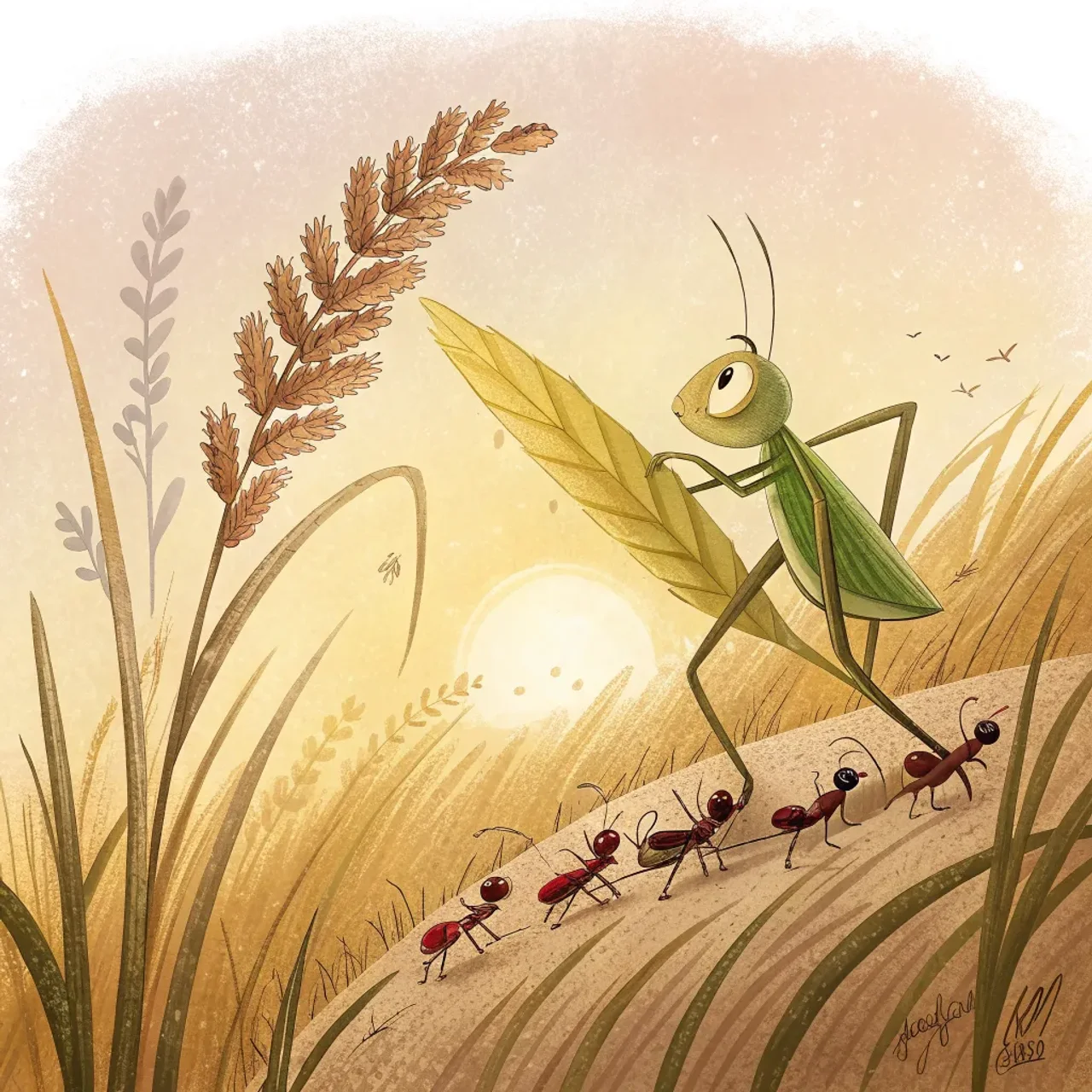 The Ant and the Grasshopper2-3 min read · 7 pagesThe ant and the grasshopper, Aesop's fable to read aloud. All summer he plays and she carries — and then the first cold morning comes.
 The Boy Who Cried Wolf5-7 min read · 13 pagesThe boy who cried wolf, Aesop's fable to read aloud. Twice he shouts for fun and the village comes running. The third time is not for fun.
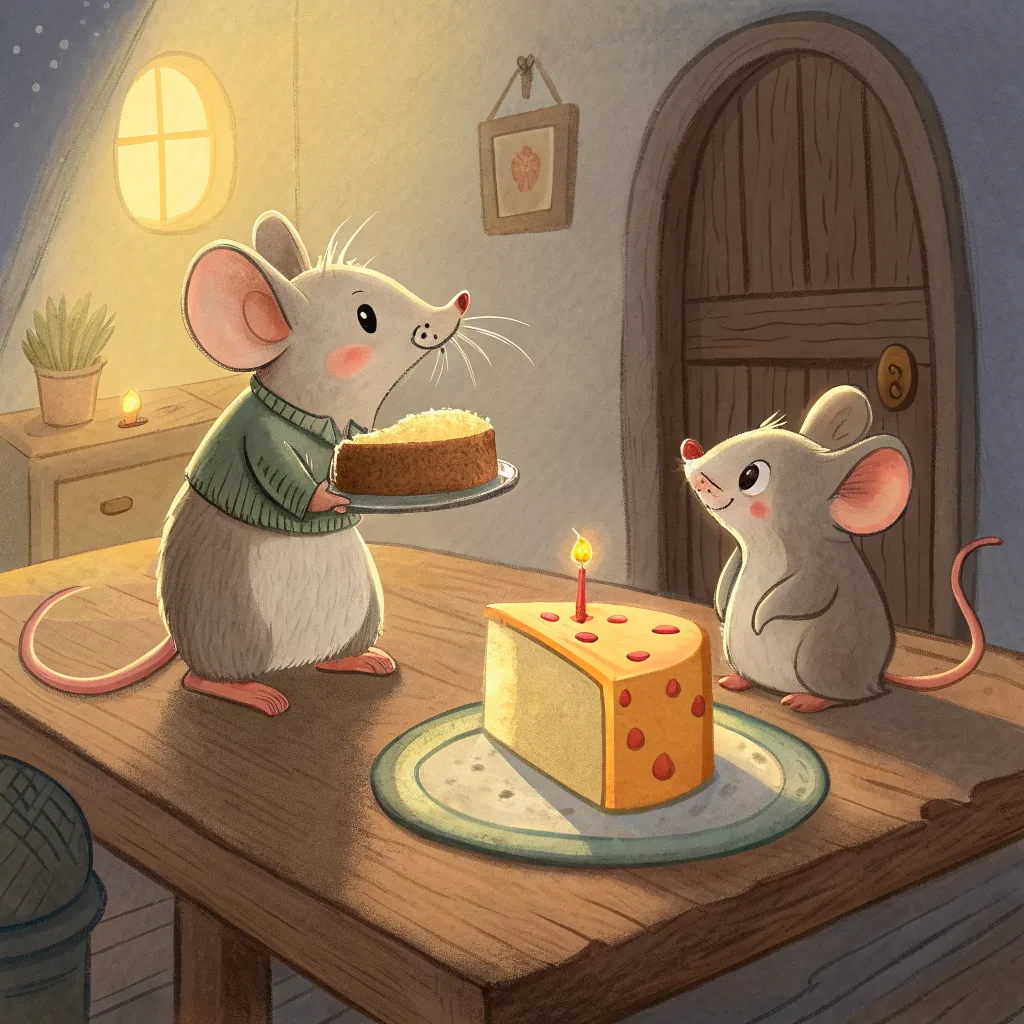 The City Mouse and the Country Mouse5-7 min read · 13 pagesThe city mouse and the country mouse, Aesop's fable to read aloud. One has plain food and quiet; the other has cake and footsteps in the dark.
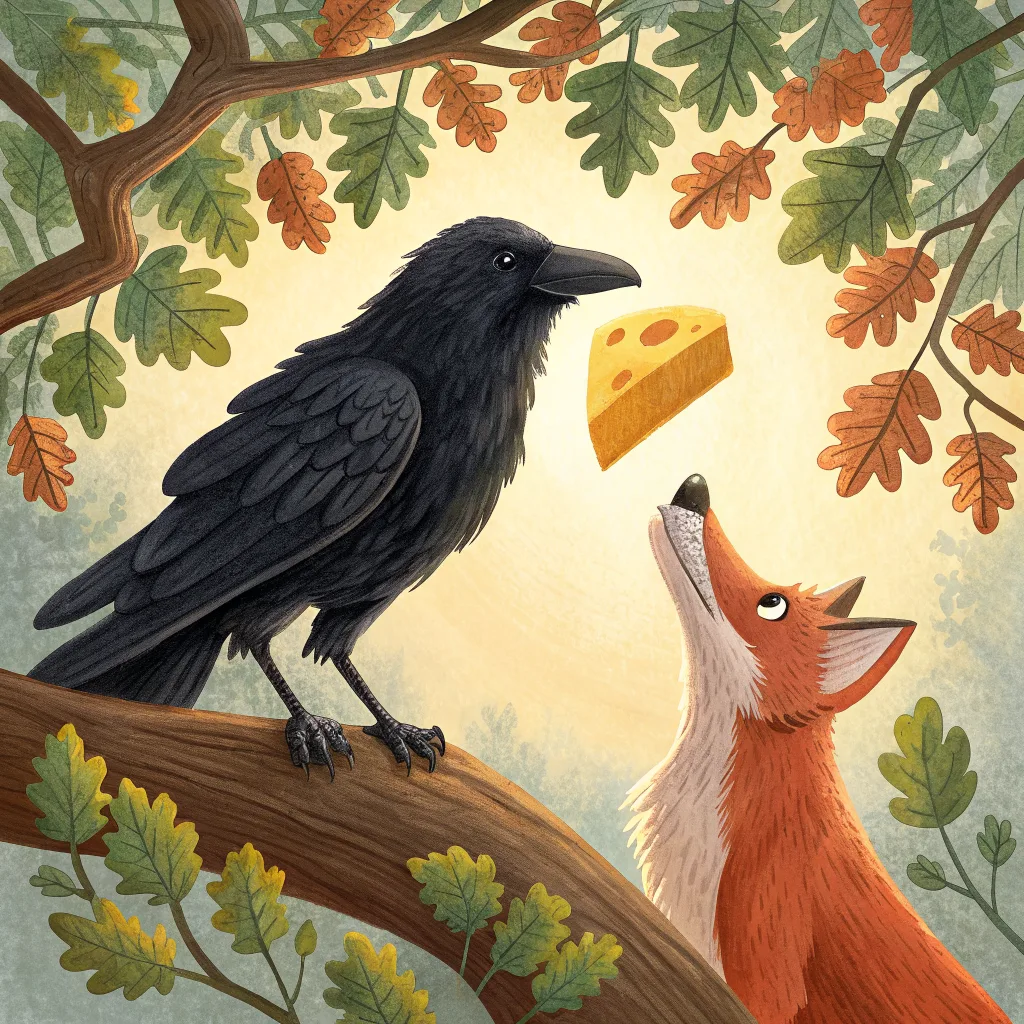 The Fox and the Crow4-6 min read · 13 pagesThe fox and the crow, Aesop's fable to read aloud. She has the cheese and he has nothing — so he starts telling her how well she sings.
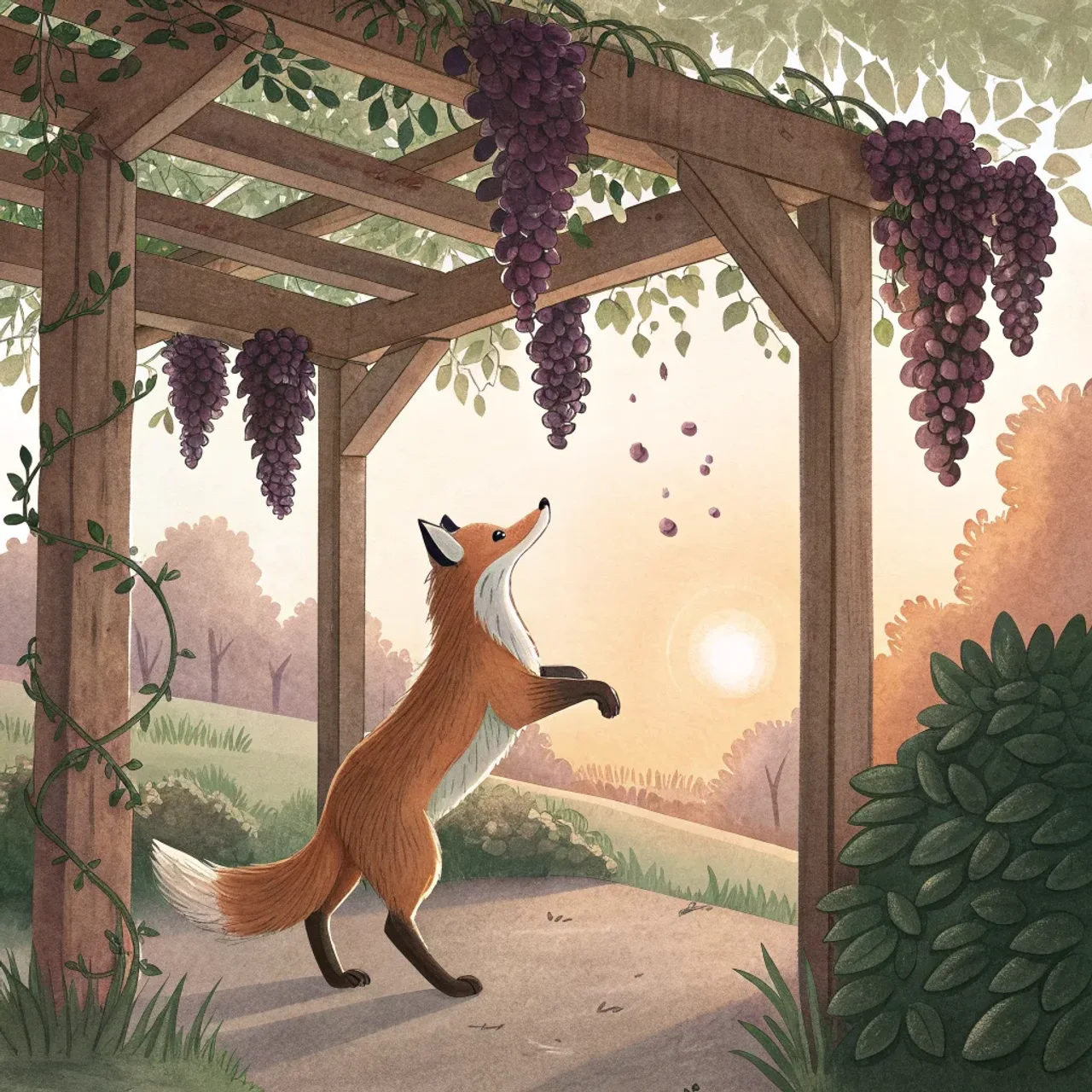 The Fox and the Grapes2-3 min read · 8 pagesThe fox and the grapes, Aesop's fable to read aloud. He jumps until he cannot jump any more, and then decides he never wanted them at all.
 The Goose That Laid the Golden Eggs2-3 min read · 9 pagesThe goose that laid the golden eggs, Aesop's fable to read aloud. One gold egg a day is not fast enough for the man who owns her.
 The Hare and the Tortoise4-6 min read · 13 pagesThe hare and the tortoise, Aesop's fable to read aloud. He is faster and he knows it — and that turns out to be the whole problem.
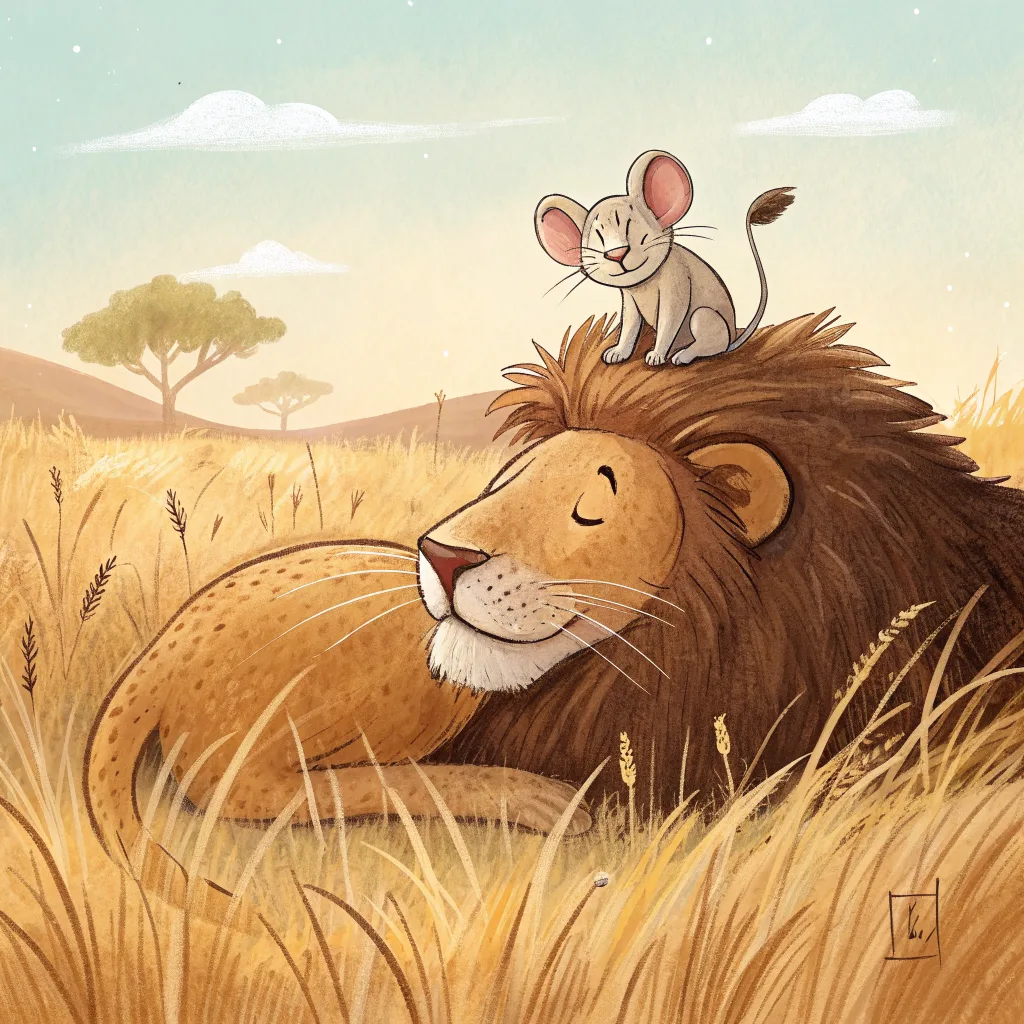 The Lion and the Mouse5-7 min read · 13 pagesThe lion and the mouse, Aesop's fable to read aloud. He lets her go because she is too small to bother with — and then the ropes come.
 The North Wind and the Sun4-6 min read · 13 pagesThe north wind and the sun, Aesop's fable to read aloud. They argue about who is stronger, and a man in a coat has to settle it.
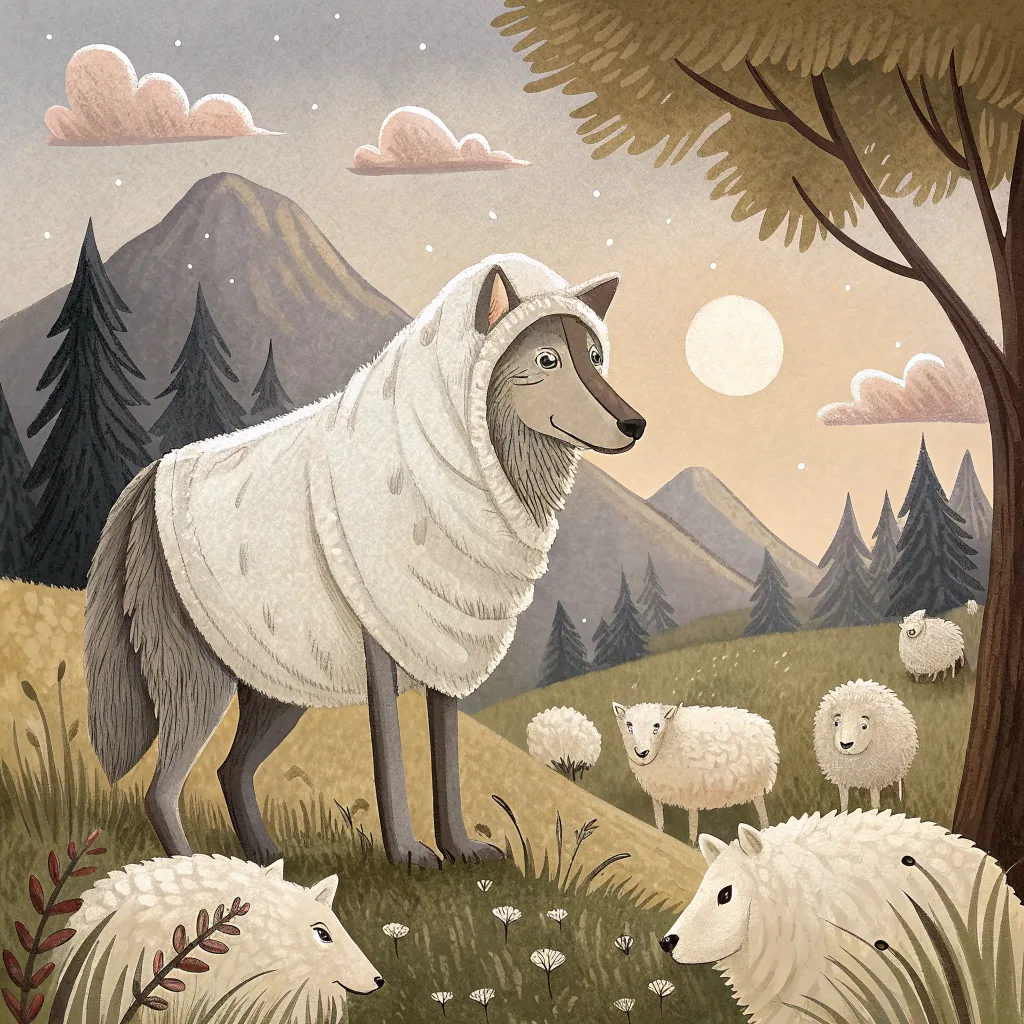 The Wolf in Sheep's Clothing6-8 min read · 13 pagesThe wolf in sheep's clothing, Aesop's fable to read aloud. The fleece changes what the shepherd sees, and nothing else about him at all.
Frequently asked
- What is the difference between a fable and a fairy tale?
- A fable is short, usually has animals who behave like people, and ends on a lesson that is stated out loud. A fairy tale is longer, has magic in it as a normal part of the world, and does not explain itself. Both are here; the fables are on this page.
- What age are these right for?
- From about four. They are the shortest stories on the site — two to seven minutes each — and the reading time is printed under every title.
- Are these the original texts?
- No. Aesop's fables are public domain and have no single original wording. These are written for Marytale in our own words, keeping the plot and the moral exactly as they have come down.
What is a fable? Features and examples
By topic
- Bedtime stories about animals
- Short bedtime stories
- Long bedtime stories
- Classic fairy tales
- 5 minute bedtime stories
- Nursery rhymes
- Calming bedtime stories
- Moral stories
- Brothers Grimm fairy tales
- Princess bedtime stories
- Bear bedtime stories
- Hans Christian Andersen
- Bedtime stories about cats
- Christmas bedtime stories
- Panchatantra stories
- Jataka tales
- Akbar and Birbal stories
- Dinosaur bedtime stories